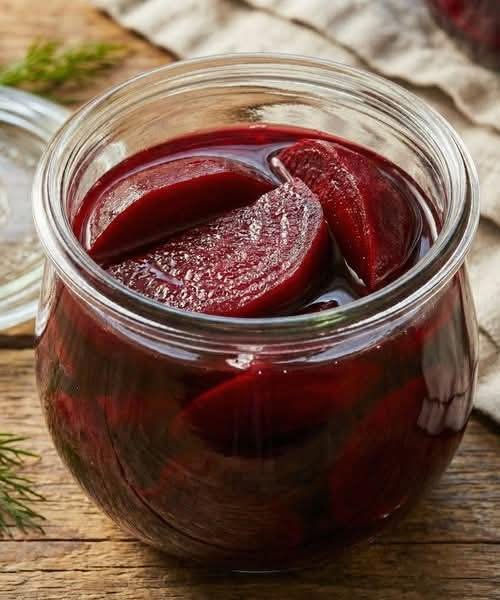
In an era of exaggerated health claims, the beetroot stands as a testament to realistic, evidence-based nutrition. Its deep red flesh is packed with compounds that deliver tangible, steady benefits for circulation, energy, and cellular health. Beets don’t rely on hype; they rely on biochemistry, working with your body to support vital functions in a gentle, sustained manner. Making beets a regular part of your diet is less about chasing a superfood trend and more about embracing a whole-food ingredient that consistently contributes to overall well-being through simple, delicious means.
The journey of beet’s benefits begins with nitrates. These naturally occurring substances are converted in the body to nitric oxide, a compound that signals blood vessels to widen. This improved vasodilation enhances blood flow, supporting heart health by reducing vascular resistance and efficiently delivering oxygen to muscles and the brain. This is why beetroot supplementation is common in sports nutrition—it can boost stamina and performance. For non-athletes, it means foundational support for cardiovascular function and potentially improved focus and vitality through better oxygenation.
Digestion gets a notable assist from beets as well. Their fiber promotes gut health by feeding beneficial bacteria and helps moderate the speed at which sugars enter the bloodstream, preventing energy spikes and crashes. Moreover, the antioxidants in beets, known as betalains, help neutralize free radicals, reducing everyday oxidative stress and supporting the liver’s natural role in maintaining metabolic balance. Alongside these functional compounds, beets provide essential nutrients like folate for cognitive maintenance, potassium for nerve and muscle function, and iron for healthy blood and energy.
It’s important to incorporate beets with a balanced perspective. They are a health-supporting food, not a pharmaceutical. Individuals managing conditions like kidney stones should be mindful of their oxalate content, and consuming beet juice alone may affect blood sugar differently than eating the whole vegetable. The harmless phenomenon of beeturia, where urine may turn pink, is simply a sign of the vegetable’s pigments passing through your system. For the majority, beets are a safe and highly adaptable ingredient, perfect for roasting, blending into smoothies, or adding earthy sweetness to salads and soups.
The true strength of beets is revealed over time. Regular consumption can lead to gradual improvements in endurance, digestive regularity, and mental sharpness. They encourage a dietary pattern rich in whole foods, reinforcing habits that sustain long-term health. In choosing beets, you choose a path of sensible nourishment—one where vibrant health is built meal by meal, through choices that are as pleasing to the palate as they are supportive to the body. This humble root reminds us that sometimes the most profound well-being grows from the ground up.