For many, The Partridge Family symbolizes pure, unadulterated 70s joy—a harmonious blend of family sitcom and musical showcase. The image of Shirley Jones and her brood traveling in their iconic bus is permanently etched in television history. Yet, the creation of the show and the lives of its stars are stories of adaptation, unexpected success, and private hardship. Originally conceived to feature the real-life Cowsills, the concept evolved when producers cast actors instead, a fateful choice that made David Cassidy a household name and defined an era of teen fandom.
David Cassidy’s life was irrevocably changed by his role as Keith Partridge. Almost instantly, he was thrust into a vortex of fame that was both exhilarating and exhausting. “Cassidymania” described a world of relentless tours, screaming fans, and a complete loss of privacy. Financially, the system was skewed; he earned a fixed salary while the empire built around his persona generated vast wealth for others. Paradoxically, the music of this fictional family achieved real-world glory, scoring hit singles and a Grammy nomination, a bizarre tribute to the power of television.
Behind the catchy tunes and coordinated outfits, the young cast dealt with the intense scrutiny that came with fame. Susan Dey, struggling with the pressure to maintain a certain image, fought a silent and difficult battle with anorexia throughout the show’s run. Danny Bonaduce, whose dyslexia made reading scripts a challenge, developed an incredible capacity for memorization, often knowing everyone’s lines, a fact that could cause minor tensions on set. Their experiences underscore the reality that growing up on television is rarely as simple as the scripts suggest.
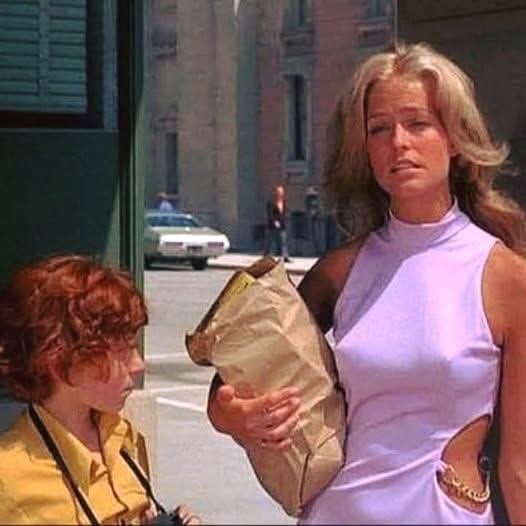
Modern streaming allows fans to scrutinize episodes, finding joy in the inevitable production mistakes of a series made decades ago. A skunk moved by a visible wire, a wall that disappears behind a door—these quirks are now part of the show’s charm. Additionally, the series featured a remarkable array of talent before they were stars, with early roles for Farrah Fawcett and others, linking the show to a broader tapestry of Hollywood history. Shirley Jones herself noted that the generally cheerful set had its occasional difficult days with certain guests.
The narrative of The Partridge Family found its most tragic and defining moment long after the show ended. In his final years, David Cassidy confronted his past with painful clarity. After announcing a dementia diagnosis, he corrected the record, stating his condition was due to alcoholism, a consequence of the unprocessed trauma from his years in the spotlight. His lament, “So much wasted time,” echoed as a final, powerful message to fans and family alike. This revelation transforms the show from a simple relic of nostalgia into a profound story about the price of fame and the redemption found in truth.