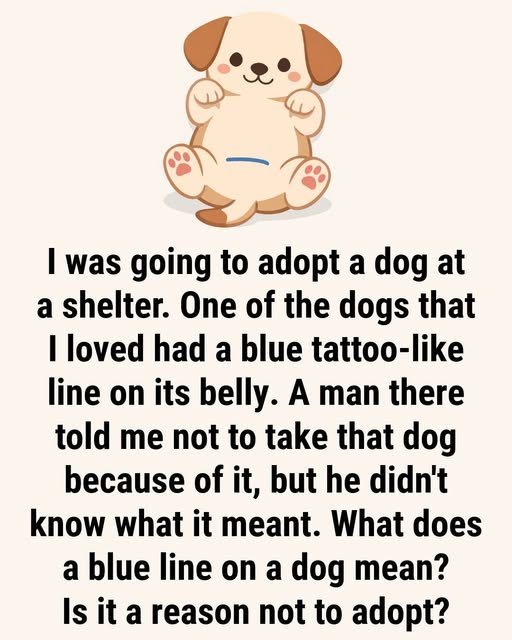

Vets place it while the animal is under anesthesia for surgery, not as a fashion choice but as a safeguard against confusion years later.
Scars can fade, owners can move, records can vanish, and shelters often meet dogs whose past is a complete blank.

Without that mark, a vet might have to open an animal up just to check, exposing them to anesthesia, pain, and cost for a surgery they’ve already had.
The tattoo solves all of that in a single line.
It tells future vets and shelter staff, “This one’s already been taken care of.”
It quietly reflects someone’s decision to prevent unwanted litters, reduce health risks, and act responsibly long before anyone knew where that dog’s life would lead.
So if you’re asked about the tattoo when your dog is fixed, saying yes is a tiny choice that can matter enormously later.