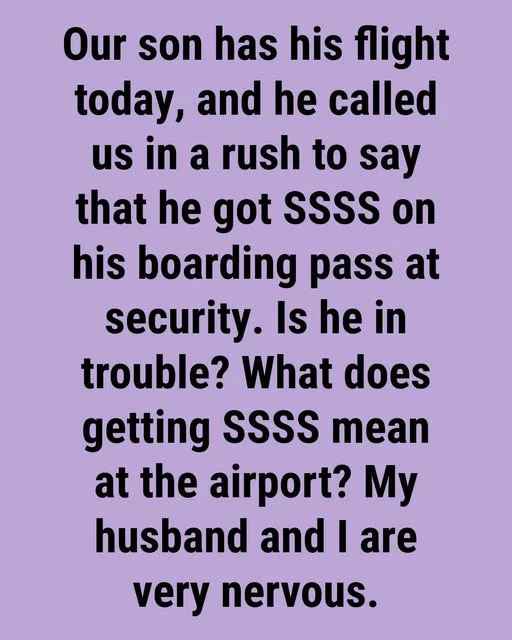
For any frequent flyer, encountering new airport procedures is part of the experience. One such procedure is indicated by the letters “SSSS” on a boarding pass. This code, an abbreviation for Secondary Security Screening Selection, informs both the passenger and airport staff that an additional security review is required. Implemented by agencies like the TSA, it is a cornerstone of dynamic security strategies that adapt to evolving risks. Understanding why it happens and what it involves can turn a potentially anxious situation into a manageable part of your travel day.
The logic behind the SSSS selection is rooted in a layered security model. The system that flags passengers, Secure Flight, analyzes data from your reservation. Selections can be random, serving as an important unpredictability factor. They can also be algorithmically triggered by specific indicators. These include booking patterns deemed unusual—such as very short-notice international travel—discrepancies in passenger information, or a name that generates a match or near-match in government databases. Consequently, many perfectly ordinary travelers will see SSSS at some point, often due to these automated filters rather than any specific investigative cause.
The experience of being selected begins at check-in. If your reservation is flagged, you will be unable to obtain a boarding pass through digital means. You must see an airline representative at the counter. They will verify your identification and issue your ticket, which will bear the SSSS notation. The core of the process unfolds at security. After presenting your documents at the checkpoint, you will be taken to a designated secondary screening station. Here, expect a detailed manual inspection: an officer will empty and search all your carry-on bags, conduct explosive trace detection tests, perform a thorough pat-down, and ask you to power on electronic devices like laptops and phones.
The most tangible effect of this is on your time. This enhanced screening is deliberate and thorough, so it is not quick. Adding at least an extra 30 minutes to your security timeline is a wise precaution, more during peak travel periods. To navigate this smoothly, incorporate this buffer into your airport arrival time. Practical steps like packing neatly, having charged devices, and keeping travel documents organized will help the inspection proceed efficiently. A cooperative and calm attitude is equally important, as security officers are simply executing a mandated protocol.
In conclusion, while the SSSS screening is an extra step that requires more time and patience, it is a standardized security practice. For nearly all travelers who encounter it, it is an occasional, transient part of flying, not a permanent designation. By arriving prepared and informed, you can handle it with ease. It represents one of the many unseen, routine checks that work together to ensure the safety and security of the entire air travel system, making the skies safer for every passenger on board.