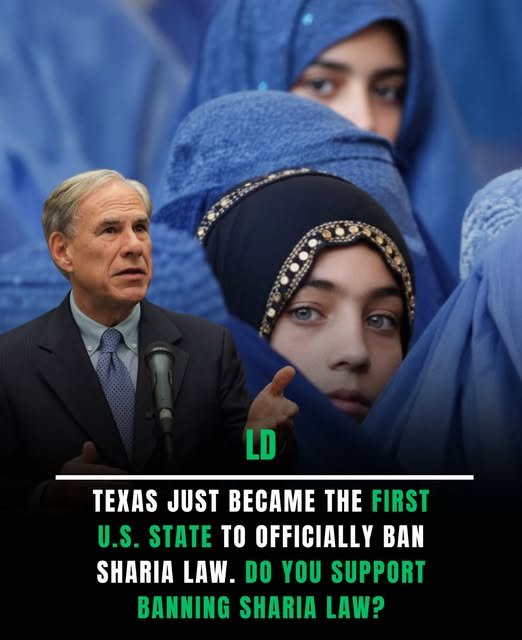
Texas has propelled itself into a national debate with legislation that forbids state courts from considering religious legal systems. While the text of the law is neutral, its impetus and the surrounding discourse are deeply concerned with Islamic Sharia law. This move has been celebrated by some as a necessary affirmation of secular government and criticized by others as an unconstitutional infringement on religious freedom that singles out a minority community. The law serves as a case study in how a state attempts to navigate the competing demands of legal uniformity and religious pluralism in the 21st century.
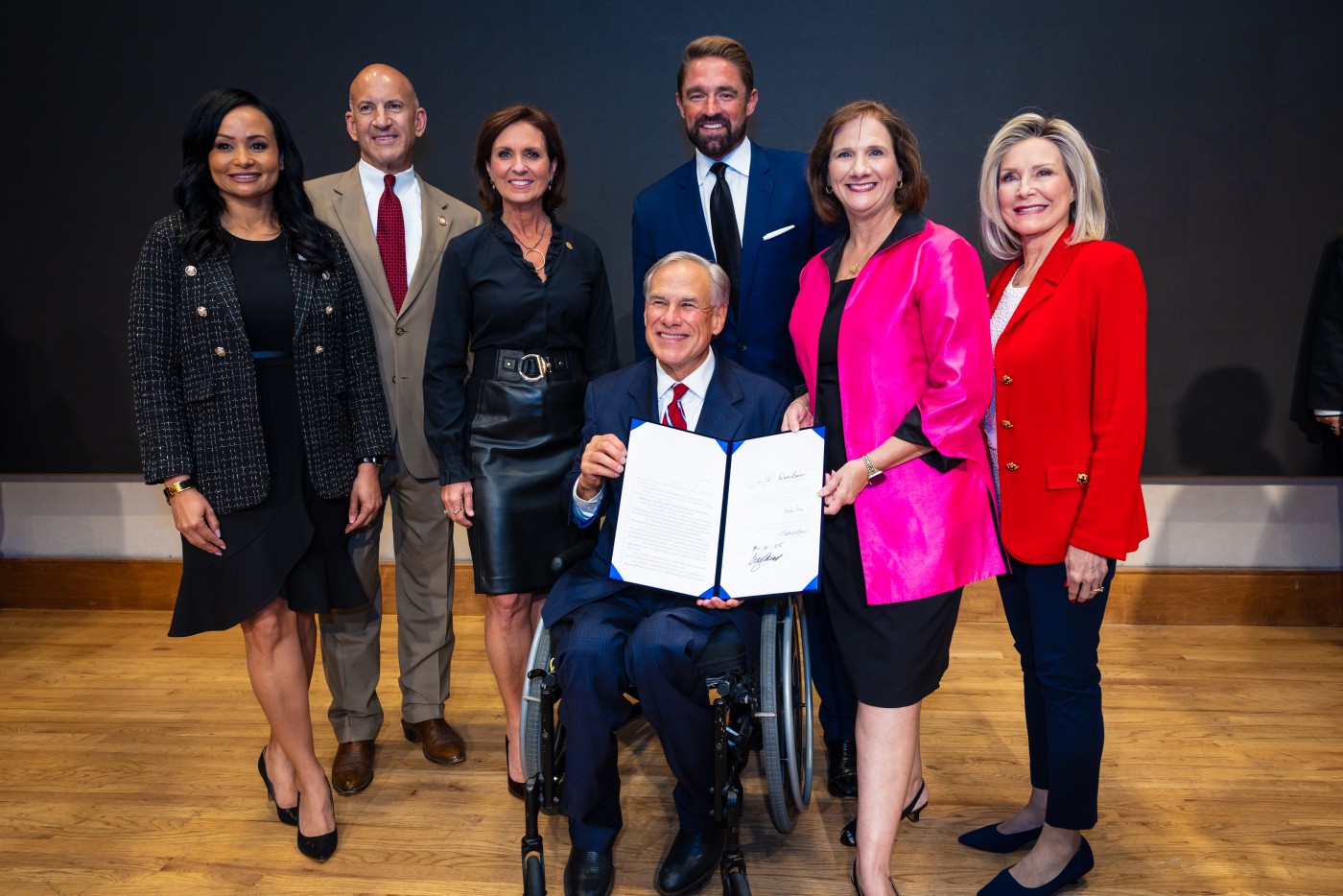
Advocates for the law present it as a straightforward affirmation of American legal sovereignty. Their core belief is that the authority of the court must derive solely from the people through their constitutions and legislatures, not from religious texts or foreign jurisdictions. They express concern that without such a law, individuals could be bound by unfair arbitration decisions made under religious auspices, which courts might feel compelled to honor. The legislation, in this view, acts as a guarantee that every person entering a Texas courtroom will be judged by the same secular standards, protecting vulnerable parties from potentially discriminatory religious rulings.
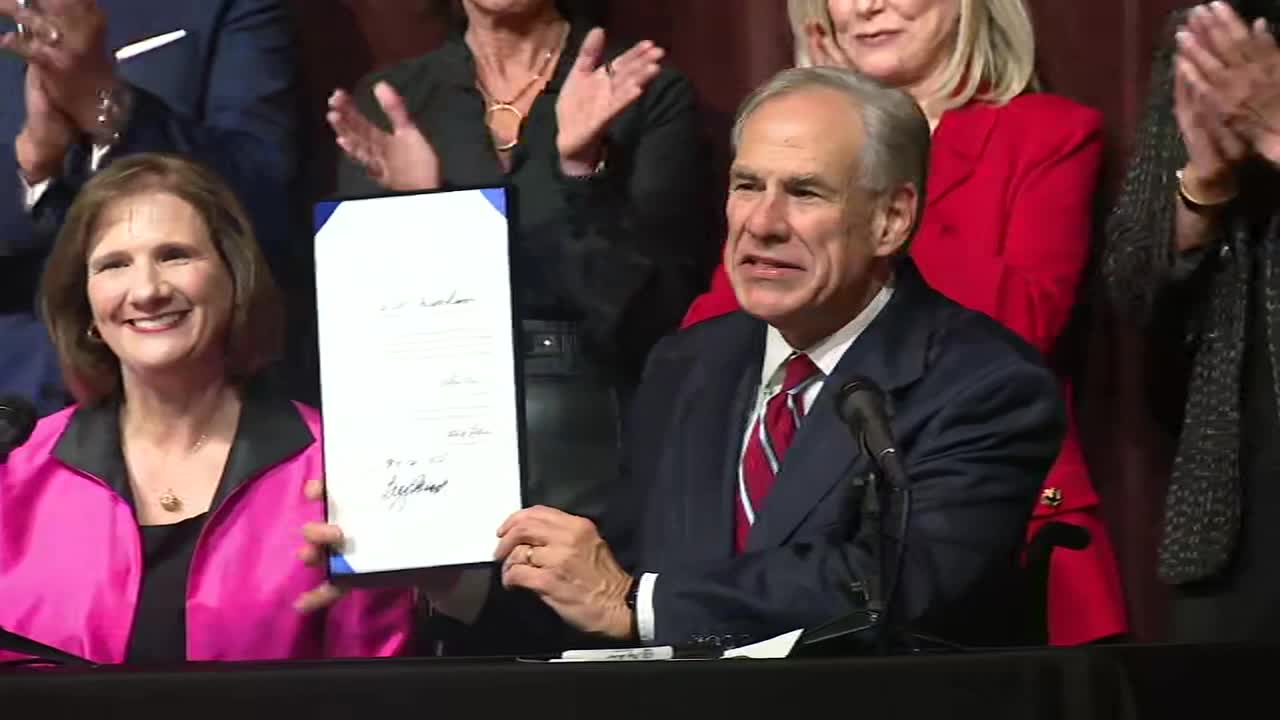
Critics see a more troubling narrative. They argue the law is predicated on a widespread fear campaign about Sharia law “taking over” American courts—a fear they describe as baseless and inflammatory. In practice, they note, individuals are always free to resolve disputes through religious arbitration if they choose, but such decisions are only enforceable in civil court if they meet basic standards of fairness and do not violate public policy. The new law, they contend, disrupts this balance, potentially invalidating consensual religious agreements and sending a message of state hostility toward Islam.
The human impact on Muslim communities is a primary concern for opponents. Beyond legal technicalities, the law contributes to a climate of othering. It can make ordinary religious practices, like including Islamic tenets in a marriage contract, feel legally precarious. This perceived intrusion of the state into private religious life can undermine a sense of belonging and security, making the law’s psychological and social impact as significant as its legal one.
All eyes are now on the impending legal challenges. The courts must weigh Texas’s stated interest in preserving its legal system against the fundamental rights to free exercise and equal protection. The outcome will have profound ripple effects. If the law stands, it may inspire a wave of similar legislation, pushing America toward a more rigid model of secularism that leaves less room for religious community self-governance. If it falls, it will reinforce the principle that the state cannot broadly restrict religious practice based on speculative threats, upholding a tradition of accommodating faith within the overarching constitutional framework. The decision will help define the contours of religious freedom for years to come.