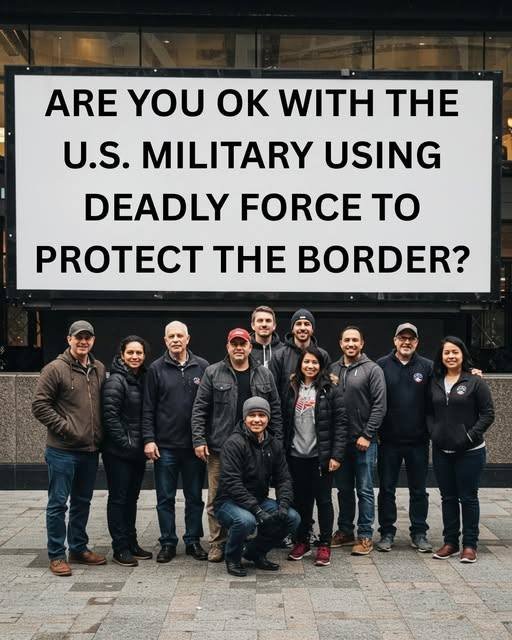
The American border is neither a traditional battlefield nor a simple police beat; it exists in a complex gray zone. This reality makes the proposal to deploy the U.S. military there so contentious. It is an attempt to apply a binary, warfighting solution to a multifaceted problem involving crime, economics, international relations, and human desperation. The resulting debate is less about the goal—a secure border—and more about the methods and the message they send to the world and to Americans themselves.

Those advocating for troops emphasize capability in a crisis. They view the situation as an invasion of sovereignty that demands a dramatic, visible response. The military’s discipline, chain of command, and ability to project an aura of uncompromising authority are seen as assets that overwhelmed civilian agencies lack. For these proponents, the symbolism is as important as the function: it declares that the United States will use every tool at its disposal to defend its territory.
Skeptics, however, see this as a profound misapplication of force. They argue that military deployment is a political spectacle that fails as policy. Soldiers cannot adjudicate asylum claims, investigate smuggling rings, or repair the legal loopholes that create border chaos. Their presence may even be counterproductive, pushing migration flows into more dangerous remote areas and enriching cartels who adapt to the increased scrutiny. The real solution, from this perspective, lies in the unglamorous work of policy reform, international diplomacy, and modernizing border management systems.
The most prudent path forward is integrative, not ideological. It combines a robust, well-funded civilian border force with cutting-edge surveillance technology. It pairs enforcement with expanded legal pathways for migration, recognizing that people will come regardless of barriers, and it is safer for everyone if they do so legally. It seeks strategic partnerships with neighboring nations to share intelligence and foster stability. In this model, the military’s role is limited and specific—perhaps in a disaster response capacity or providing niche technical support. Ultimately, a secure America is one that protects its borders intelligently, with tools that match the complexity of the challenge, ensuring safety without sacrificing its soul.