The artifact was simple: white porcelain, a shallow dish, the golden residue of what it had held. It sat on the counter between us, a silent interlocutor in a conversation we were too afraid to have with words. Butter. Left out to soften. It became an archaeological dig site, and with every terse exchange, we brushed away another layer, uncovering not disagreement, but destiny.
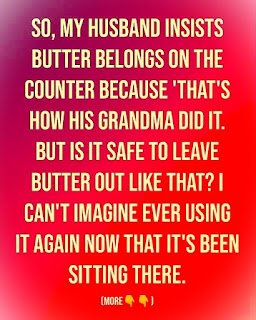
He saw future toast easily spread. I saw a bacterial bloom. But those were just the surface inscriptions. His deeper text was written in his grandmother’s handwriting: lessons of tenderness, a kitchen that was a harbor, love that announced itself in practical, edible ways. The soft butter was a sacrament in the religion of her care. My text was written in the anxious scribble of a child left to fend for herself: rules as incantations against chaos, the cold hum of a refrigerator as a lullaby of control. We were not two adults bickering; we were two libraries defending their foundational scrolls.
For days, the kitchen air was thick with the unsaid. The dish held the center of the room, a mute god. We offered it our frustrations like bitter offerings. Then, the weather in the room changed. We grew tired of the performance. One of us spoke, not from the script of the argument, but from the memory behind it. He spoke of rain and bread and a hummed tune. I spoke of silence and worry and a fear of fainting. The stories, once released, hovered in the air, mingling. They changed the nature of the light.
The porcelain dish ceased to be a battleground. It became an exhibit, proof that we each carried a world within us. The compromise we reached was a quiet poem. The butter found a new home in the chill of the fridge, a bow to my need for order. His grandmother found a new home in the stories we tell while cooking, in the recipes we try, in the way he sometimes hums absentmindedly. We learned that love is not the absence of difference, but the graceful, ongoing act of translation between two private histories.
That small dish now holds something more permanent than butter. It holds the understanding that our most trivial battles are often our most profound. They are the places where our secret selves, shaped long ago, step into the present and ask, gently, to be seen. And in the seeing, we don’t just solve a problem—we discover the map of each other’s heart.