
MICHIGAN — Beneath the quiet, golden autumn light of a peaceful Michigan morning in twenty-twenty-five, eighty-year-old Bob Seger sat at his kitchen table holding an ordinary white envelope that carried extraordinary emotional weight.
Over a legendary musical career spanning more than six decades—selling over seventy-five million albums worldwide, earning a Grammy Award, and entering the Rock and Roll Hall of Fame—Seger had received tens of thousands of letters from every corner of the globe.
Fans had written to tell him how “Night Moves” reminded them of their first summer romance, how “Turn the Page” carried them through lonely midnight shifts on the highway, or how “Against the Wind” helped them survive heartbreak and growing older.
Yet this particular envelope arriving at his Michigan home in twenty-twenty-five arrived with no return plea for a signed photograph, no request for backstage concert passes, no business inquiry, and not even an expectation of a reply.
Instead, the neat handwriting on the front belonged to the grieving widow of a fellow musician—a man who had once shared cramped touring vans, smoky Midwestern stages, and the wild, unforgettable early chapters of life on the road with Bob Seger.
Her husband had passed away quietly several months earlier after a long, private battle with illness, leaving behind a lifetime of worn musical instruments, faded road passes, and treasured memories tucked away in closets and basements.

While sorting slowly through his personal belongings one quiet afternoon with tears in her eyes, the widow had unsnapped the tarnished brass latches of an old, scuffed hardshell guitar case that had traveled tens of thousands of highway miles decades earlier:
Tucked carefully beneath the velvet neck rest inside that case, hidden away from the world for years, she discovered a sealed envelope bearing Bob Seger’s name written cleanly across the front in her late husband’s unmistakable hand.
Sitting quietly at his kitchen table in twenty-twenty-five, eighty-year-old Bob Seger slid his finger beneath the flap—and pulled out two fragile artifacts from a bygone era:
Inside were a slightly faded, dog-eared color photograph taken during an exhausting tour decades earlier, and a multi-page handwritten letter addressed directly to Bob Seger himself.
Looking at the postmark on the outer package from the widow, Seger realized immediately that the handwritten letter inside had never been stamped, never been dropped into a mailbox, and never been sent while its author was still alive.
At first, before unfolding the creased sheets of notebook paper, Seger looked down at the old snapshot and recognized the scene instantly in a rush of vivid memory:

Two lean, younger men—their hair long, their denim jackets worn thin from constant travel—stood side by side beside an idling tour bus in a grey morning parking lot, smiling broadly into the camera as though their youth, their music, and the years ahead would last forever.
Then, setting the photograph gently beside his coffee cup, Bob Seger unfolded the pages and began reading the words his old friend had written years earlier in the quiet solitude of his own home.
In honest, unvarnished sentences stripped of all rock-star bravado, the musician had written candidly about a bitter, stubborn disagreement decades ago that had fractured and ultimately ended their once-inseparable friendship:
He admitted without making a single excuse that sheer male pride, wounded ego, and stubbornness had kept him from ever picking up the telephone to make the first call—even years after his anger had cooled and he realized how deeply he missed the man he had once considered a true brother.
Every time he saw Bob Seger’s name in the newspaper, heard “Mainstreet” or “Like a Rock” come through his car radio, or watched Seger’s career soar into American music history, he had thought about dialing that familiar Michigan number—only to let pride and awkwardness stop his hand every single time.
Yet it was the final paragraphs at the bottom of the last page that hit eighty-year-old Bob Seger straight in the chest like a physical blow:
In trembling, heartfelt handwriting, his old friend had written that he wanted Bob to know—beyond any shadow of doubt—that despite the argument, the silence, and everything that had happened between them, those scrappy, hungry years on the road with Bob Seger remained among the happiest, proudest days of his entire life.
He had sat down at his desk years earlier intending fully to put that letter in an envelope, walk out to the mailbox, and finally heal the silence between two old brothers.
Then, seized by fear of rejection or uncertainty over how Bob might respond after so many silent years, he had folded the pages back up, slipped them inside his old guitar case, and put them away.
And the seasons kept turning, the decades kept passing, and the phone call neither man made never came—until illness closed the door on earth forever.
Now, at eighty years old, sitting alone in the quiet morning stillness of his Michigan home, Bob Seger was holding words that had waited decades to reach his hands—words of forgiveness, brotherhood, and gratitude that their author would never be able to speak aloud in person.
The widow hadn’t written to Bob asking for financial help, a tribute concert, or a single ounce of public attention:
She simply believed in her heart that a good man who had loved Bob Seger like a brother deserved to have his final, truest message delivered safely into the hands of the person it was meant for.
Yet as Seger picked up the faded tour-bus photograph one more time and looked closely at the details captured in the background—a tiny backstage credential, a specific city skyline, and the exact lineup of faces standing beside the bus—that single image quietly unlocked the exact turning point when pressure, exhaustion, and young pride had first driven two loyal friends apart:

Reading those posthumous words of love and regret, Seger didn’t feel anger over lost years—he felt profound sorrow for the silent pain his friend had carried, deep gratitude that the truth had finally come home, and a quiet determination to honor his late brother’s memory with grace.
To truly understand why eighty-year-old Bob Seger wept quietly over a letter from a departed friend—and why millions of working-class Americans love Seger not as a distant celebrity, but as a deeply feeling, ordinary human being—one must look backward into the childhood that forged his heart:
Seger’s profound empathy, his reverence for brotherhood, and his understanding of how fragile human relationships truly are were shaped in childhood hardship right there in Ann Arbor, Michigan.
Born in Detroit in nineteen-forty-five and raised largely in Ann Arbor, young Bob watched his father Stewart—a factory worker and part-time big-band musician—battle personal instability before abandoning the family altogether when Bob was barely ten years old.
Suddenly left behind with zero financial support, no savings account, and mounting unpaid bills, Bob’s courageous, hardworking mother Charlotte was forced to raise Bob and his older brother George completely alone.
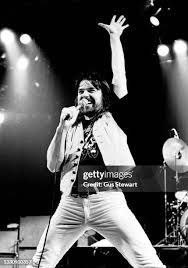
During the hardest, leanest stretch of those nineteen-fifties childhood years, Charlotte and her two young boys lived inside a single cramped room on Third Street in Ann Arbor furnished with simple bunk beds:
They didn’t even have a private bathroom of their own—sharing basic hallway facilities with neighboring tenants while Charlotte worked exhausting, low-paying shifts just to keep food on the table and winter coats on her sons.
Young Bob sat quietly in the dim evening light watching his exhausted mother’s worn hands tremble from fatigue while she counted every single dollar bill beneath a bare lamp to pay the weekly rent.
The freezing Michigan winter wind rattled the loose window glass, hand-me-down coats were mended stitch by stitch so both boys stayed warm, and young Bob lay awake in his bunk bed listening to his mother work tirelessly.
Those early childhood nights—watching his single mother sacrifice every ounce of her own comfort without ever complaining—burned an unshakable code of gratitude, humility, and human tenderness straight into Bob Seger’s soul.
“Life is far too short to let pride lock the door on people you love,” Seger’s own life and songs taught millions of listeners over the decades, “because one day you wake up and realize the miles have all run out.”

That exact hard-won wisdom was also why, after marrying his devoted wife Juanita Dorricott in nineteen-ninety-three and welcoming their two beloved children, Cole and Samantha, Bob Seger famously stepped away from grueling cross-country touring for over a decade so he would never wake up regretting missed childhood years at home:
Remembering the sharp ache of growing up without a father after age ten, one of America’s biggest rock stars gladly traded arena spotlights for school drop-off lines, family dinners, and quiet mornings in Michigan.
When he finally returned for joyful, emotional farewell tours before retiring gracefully from the road in twenty-nineteen, every single song he sang carried the earned wisdom of a man who understood both the joy of brotherhood and the weight of time.
Today, in November twenty-twenty-six, as eighty-one-year-old Bob Seger enjoys peaceful autumn days in Michigan surrounded by Juanita, Cole, Samantha, and the cherished memories of lifelong road brothers, that twenty-twenty-five letter found inside an old guitar case shines with unforgettable, bittersweet grace:
A proud man never found the courage to mail his letter while he lived—yet when his widow finally placed those words into Bob Seger’s hands at eighty, it proved once again that true brotherhood, forgiveness, and honest music never really die.