My identity was intertwined with the Christmas holiday. As the host with the most space, I inherited the annual duty and performed it with dedication. I spent days in a kitchen that felt like a command post, orchestrating a meal for a small army. I wrapped gifts, arranged seating, and played the role of cheerful organizer. The payoff was in the shared laughter, but the price was a deep, personal depletion that took days to recover from. I was funding and fueling a joy that I was often too tired to feel.
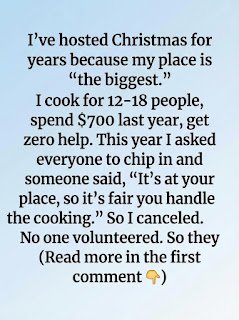
The breaking point wasn’t dramatic; it was a quiet moment of accounting. I added up not just the money, but the hours and the mental load. I decided to speak my truth, proposing a shared responsibility for our shared celebration. The feedback was a lesson in taken-for-grantedness. My family’s reaction, particularly the comment that the host’s job was to host, reframed my years of effort not as a gift, but as a contractual obligation I had unknowingly signed.
With that new understanding, I took action. I communicated that my home would not be available for the Christmas gathering. I half-expected a rescue mission—surely someone would step in to save the day. Instead, there was a void. The event that seemed so central to our family narrative vanished without my labor to sustain it. My first emotion was sorrow, feeling like the cause of a dissolution. But very quickly, that sorrow was replaced by a clean, clear sense of freedom. I had exited a role that had become a cage.
When Christmas arrived, I celebrated on my own terms. My table was set for one, with my best china and a single candle. The only sounds were my own. In that peaceful autonomy, I found a powerful lesson. I had mistaken being indispensable for being appreciated. By stopping, I allowed the fragile structure of our tradition to show its true form. Letting go was an act of faith—faith that what is real and mutual will endure, and what is built on silent obligation might need to fall away to make room for something new, something kinder, and something truly shared.